Need a Qualified Contractor?
Trusted Installers for Egress Windows & Basement Safety
We recommend reputable companies who are known for correct and code-compliant installation of egress windows and basement safety features. Find professionals you can trust for your home compliance needs.
Need a Qualified Contractor for Egress Windows?
Explore our handpicked list of trusted professionals for code-compliant egress window installation and basement safety upgrades. Choose a contractor you can rely on for your home’s safety and compliance.
Keep Your Home Up to Code
Expert Guidance for Federal Egress Building Code Compliance
Ensure your home meets the latest regulations. Nationwide resources for basement safety, egress windows, and more.
Installing an egress window isn’t just about adding light or ventilation—it’s about safety and compliance. In fact, most local building departments across New York, Connecticut, New Jersey & all of America follow the International Residential Code (IRC) standards that require a safe escape route from any finished living areas below ground level.
In this guide, we’ll break down the latest egress window code requirements for 2025, spotlight key differences between states, and share how Code Compliance USA ensures every project meets or exceeds inspection standards—whether you live in Long Island, Upstate New York, Connecticut, New Jersey or anywhere in America and have a finished basement.
1. What Defines an Egress Window?
An egress window is large enough (see below for details) for a person to escape from or a first responder to get into in the event of an emergency.
Per the International Code Council (ICC) and local building codes:
- It must open without tools or keys.
- It must offer a large enough opening for an adult to pass through.
- It must include a properly sized window well if installed below grade.
Besides life safety, egress windows also bring natural light, ventilation, and add measurable home resale value, especially when finishing basements into bedrooms, offices, or apartments.
2. Federal Universal Code Standards Across NYS, LI, CT, NJ and all of America
While each state enforces codes locally, these are the most common baseline IRC requirements (Section R310):
| Requirement | Minimum Standard |
|---|---|
| Net clear open area | 5.7 sq. ft. (5.0 sq. ft. at grade level) |
| Minimum opening height | 24 inches |
| Minimum opening width | 20 inches |
| Max sill height above floor | 44 inches |
| Window well area (if below grade) | 9 sq. ft. with 36” min. projection |
| Ladder requirement | Needed if well depth > 44” |
| Opening mechanism | Operable from inside, no tools or keys required |
For official reference, see the 2021 IRC R310 section and your local municipality’s building department.
3. New York: Statewide Codes with Local Adjustments
In New York, the Uniform Fire Prevention and Building Code (19 NYCRR) adopts the IRC with added local amendments. Municipalities such as Nassau, Suffolk, and Westchester Counties often add stricter drainage or setback requirements.
When Installing in a licensed and insured contractor coordinates with local code officers to ensure every permit application, window well design, and site plan meets inspection standards.
Learn more about our Upstate New York service area.
Helpful resource: New York State Department of State Building Codes Division
4. Connecticut: Statewide IRC Adoption with Drainage Emphasis
Connecticut follows the IRC with statewide adoption through the Connecticut State Building Code (CSBC). Inspectors there often emphasize proper drainage and window well safety due to soil and groundwater variations.
To pass inspection in Connecticut:
- Wells deeper than 44” must have fixed ladders or steps.
- Drainage lines should tie into the foundation drain system.
- Covers must be removable without special tools.
Egress Pros’ Connecticut installations always include integrated waterproofing systems and optional window well covers to meet these standards.
External resource: State of Connecticut Building Official Resources
5. New Jersey: Strong IRC Alignment with Local Nuance
New Jersey’s code follows the IRC’s R310 Emergency Escape and Rescue Openings, administered by the New Jersey Department of Community Affairs (DCA).
Core NJ requirements include:
- Minimum 5.7 sq. ft. net clear opening (5.0 sq. ft. at grade level).
- Max sill height 44 inches.
- Window well min. 9 sq. ft. area and 36-inch projection.
- Ladder required for wells deeper than 44 inches.
- Covers must be operable from inside.
Learn more via the NJ Uniform Construction Code (N.J.A.C. 5:23).
Explore our New Jersey Egress Window Company page for local compliance, permitting, and inspection details.
6. Common Fail Points During Inspection
Even with professional installations, homeowners often fail inspection for:
- Using non-egress-rated windows.
- Window wells with improper depth or drainage.
- Covers that can’t be removed from inside.
- Obstructed ladder access or clearance.
- Sill height exceeding 44 inches.
A licensed contractor eliminates these issues by:
- using egress windows that meet IRC and township specs.
- Help manage permit submittals directly with local offices, make sure you have the proper drawings and documents needed to apply.
- Including waterproofing and drainage protection in all below-grade installs.
We install across Long Island, Upstate NY, Connecticut, and New Jersey, bringing every basement up to code—safely, quickly, and affordably.
7. Local Expertise, Real Compliance
Every region has nuances: Suffolk County’s sandy soils differ from Hartford’s clay or Bergen’s slopes. That’s why every job begins with a site-specific compliance review, ensuring drainage, slope, and window selection match the environment.
8. Final Thoughts
Code compliance isn’t a one-size-fits-all process—it’s a mix of safety, engineering, and experience. Whether you live on Long Island, Upstate NY, Connecticut, or New Jersey or anywhere in America a trained professional will ensure every installation passes inspection and protects your home for decades.
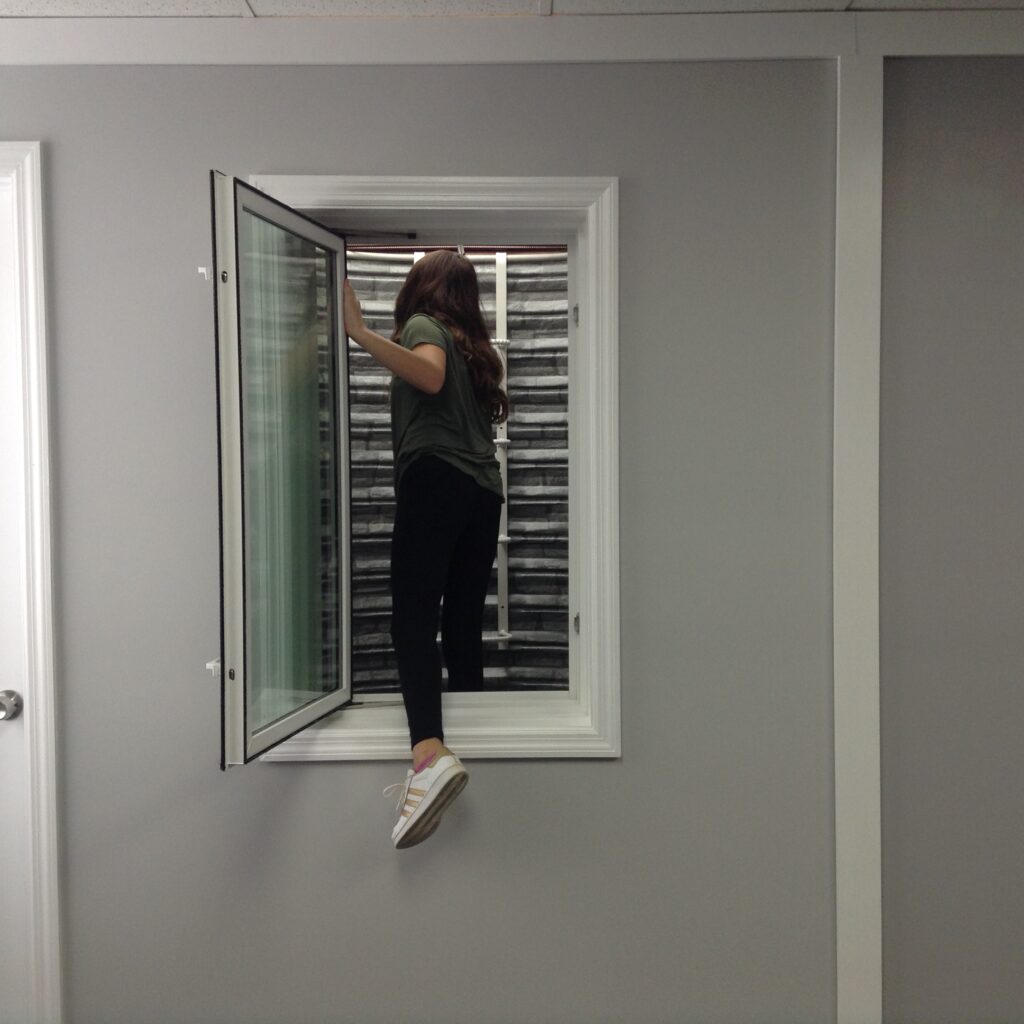
Why Code Compliant?
Protect your home, family, and investment with up-to-date code compliance.
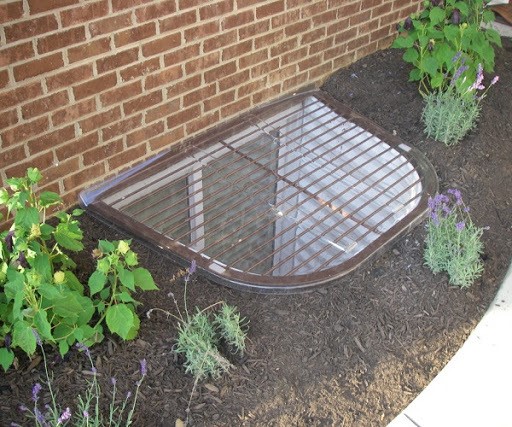
Code Compliance
Ensure your basement meets federal and local building regulations, protecting your home from violations and costly penalties.
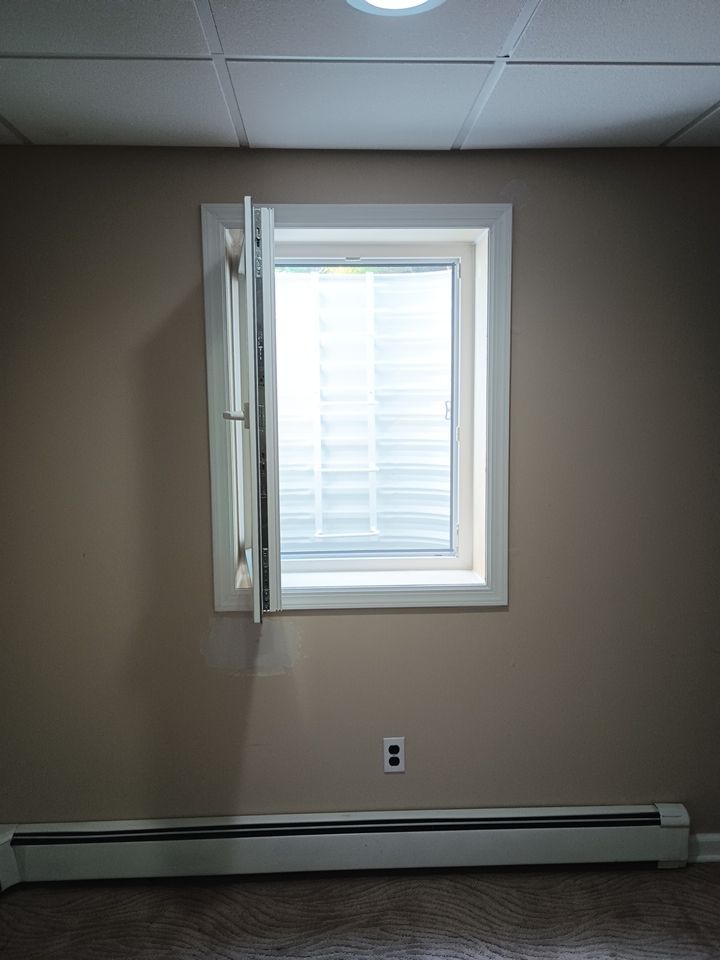
Added Home Value
Properly installed egress windows can increase your property’s market value and appeal to buyers.

New Marketable Square Footage
Egress windows make basement areas legal living spaces, adding usable and marketable square footage to your home.
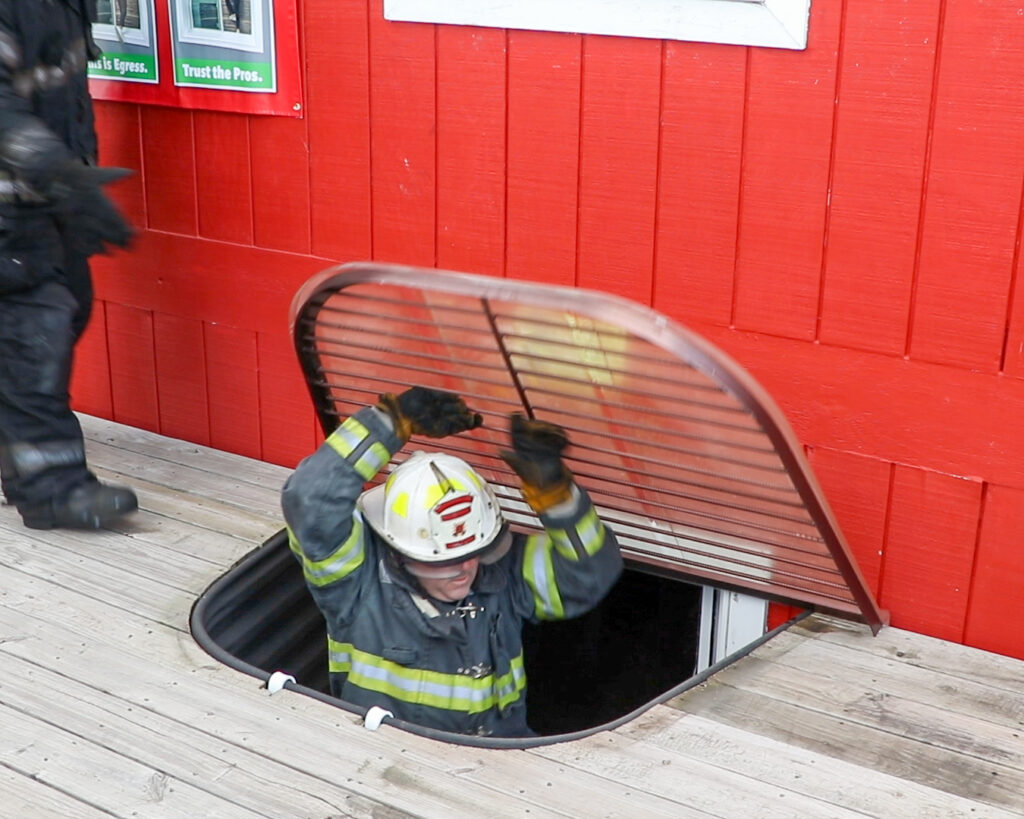
Peace of Mind
Know that your family has a safe exit in case of emergency, ensuring their safety and your peace of mind.
Our Services
Comprehensive solutions for homeowners, real estate agents, and property managers.

Hire a licensed professional
Thorough review of your property to identify code compliance issues and recommend solutions.
Know the codes
Guidance to help you understand and meet local and national building codes.
Basement Safety Reviews
Evaluate your basement for safety hazards and ensure it meets current code requirements.
About Code Compliance USA
Your National Resource for Building Code Guidance
We help homeowners across America ensure their properties meet the latest Federal egress building codes, offering guidance and solutions for basement safety and egress window compliance.

Get your home up to code
Hire an professional installer for Your Home
Contact any of the recommended installers today for a free consultation, is your home code compliant?